For someone living off grid, useful gifts can support everyday routines as well as time spent camping, traveling, or handling an unexpected roadside stop.
These 10 ideas cover lighting, warmth, power, sleep, outdoor cooking, and other practical needs. Consider the recipient’s setup and the details they may need to check before choosing.
10 Gift Ideas for People Who Live Off Grid
Sawyer Products Mini Water Filtration System, 1-Pack
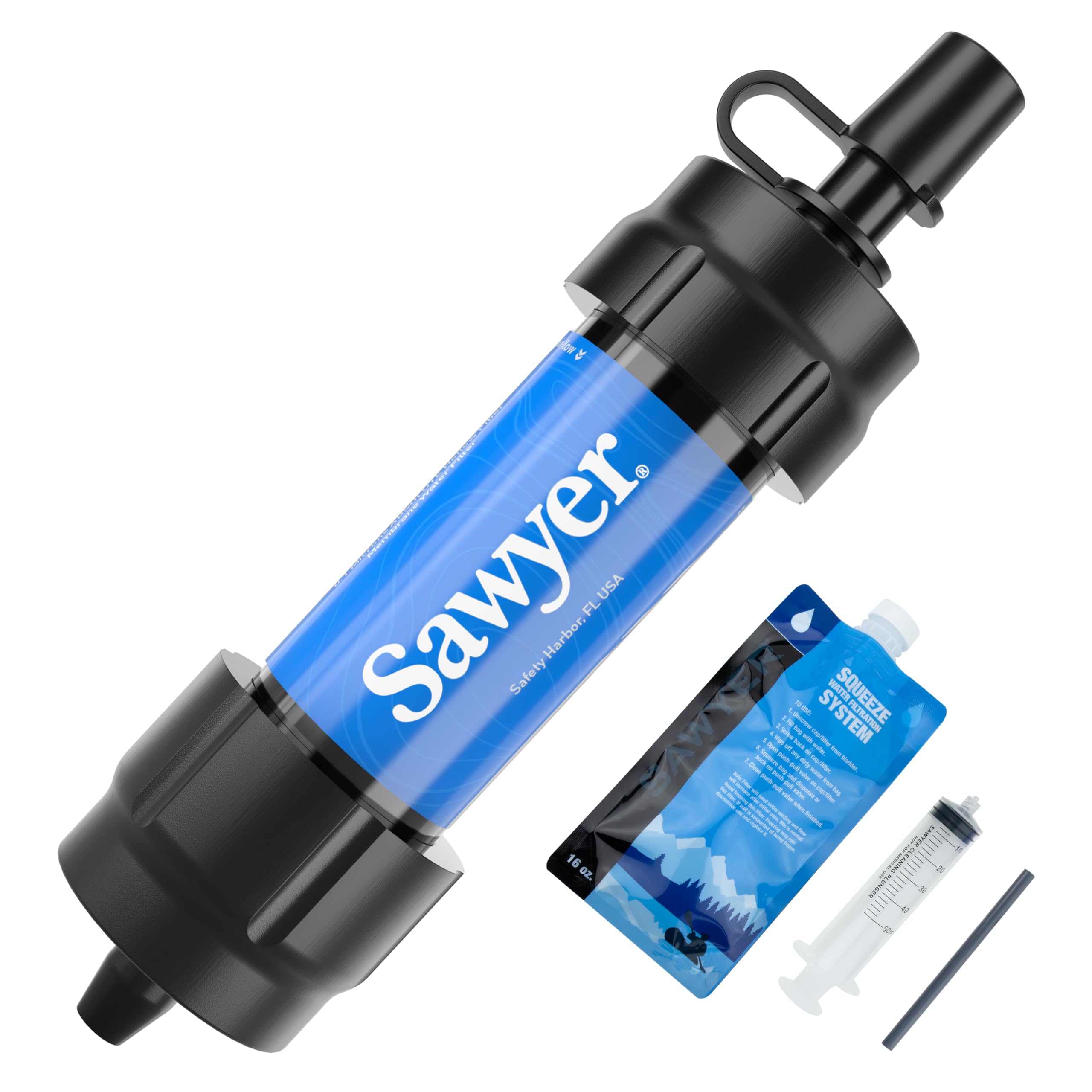
- The mini filter weighs 2 ounces.
- It attaches to the included drinking pouch or standard 28 mm disposable water bottles.
- The package includes a 16-ounce reusable squeeze pouch and a 7-inch drinking straw.
Best Gift For: A camper or off-grid resident who wants a compact filter for outdoor trips or emergency preparedness.

OLIGHT Arkfeld Pro Rechargeable EDC Flat Flashlight
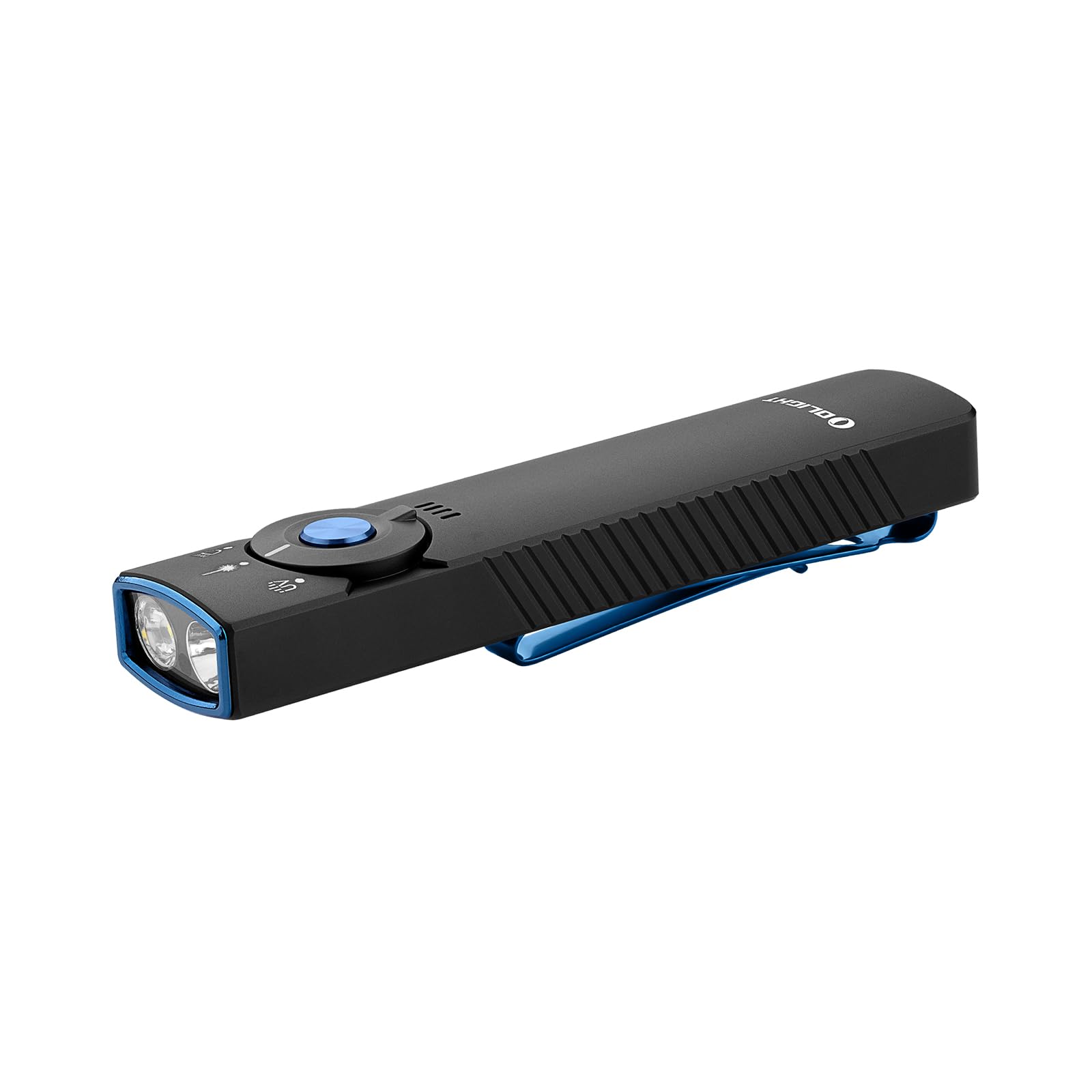
- It combines white light, UV, and a green beam in one flashlight.
- The maximum brightness is 1300 lumens.
- A five-level battery indicator helps monitor battery status.
Best Gift For: Someone who wants a pocket light for daily carry, night walks, or outdoor tasks.
Blukar LED Headlamp Rechargeable
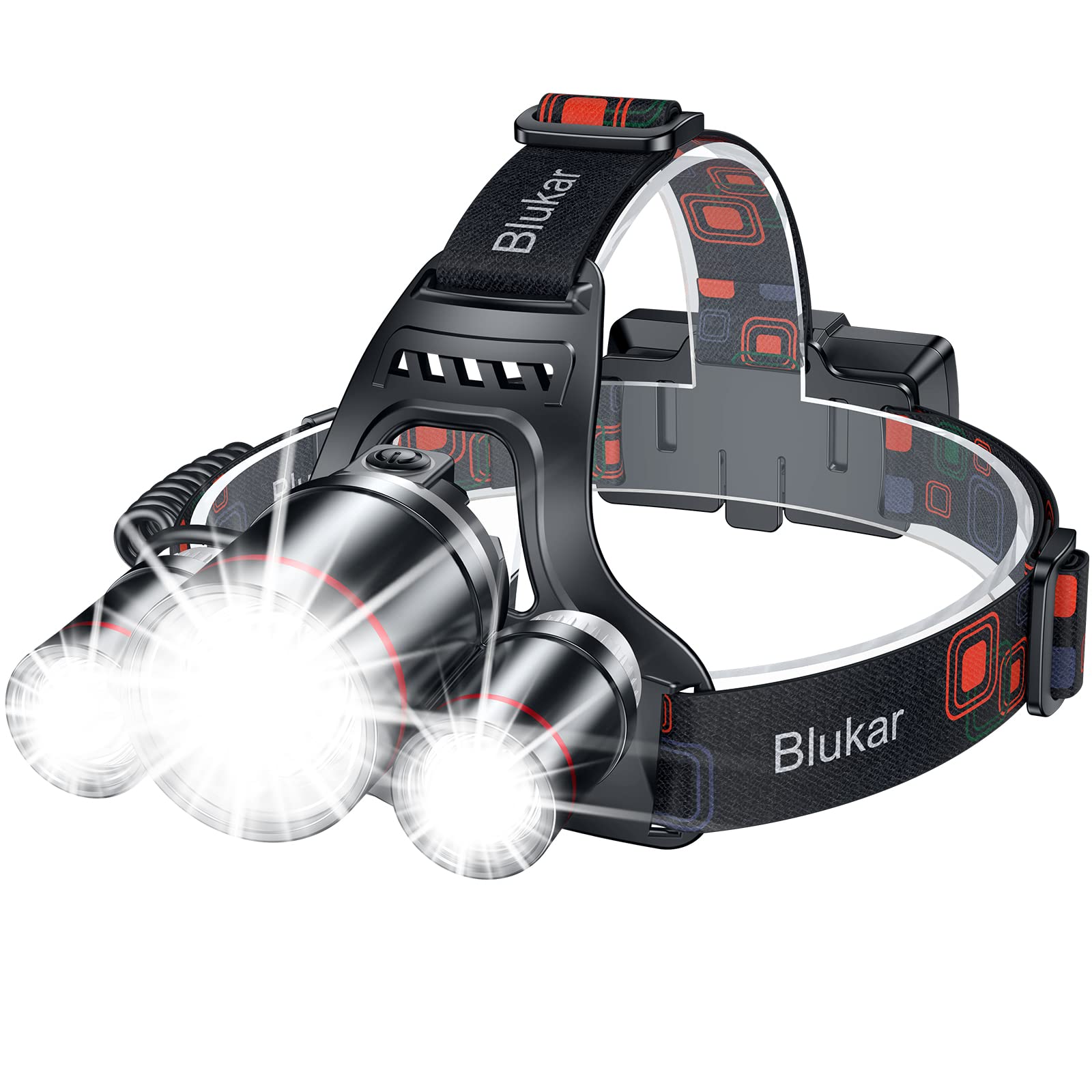
- It has 5 light modes and an adjustable zoom design.
- The headlamp rotates 90° to adjust the beam angle.
- The elastic headband can be worn directly on the head or fixed on a helmet.
Best Gift For: A camper or off-grid resident who wants hands-free light for outdoor activities or car repair.
OCOOPA UT2s Mini Rechargeable Hand Warmers, 2-Pack
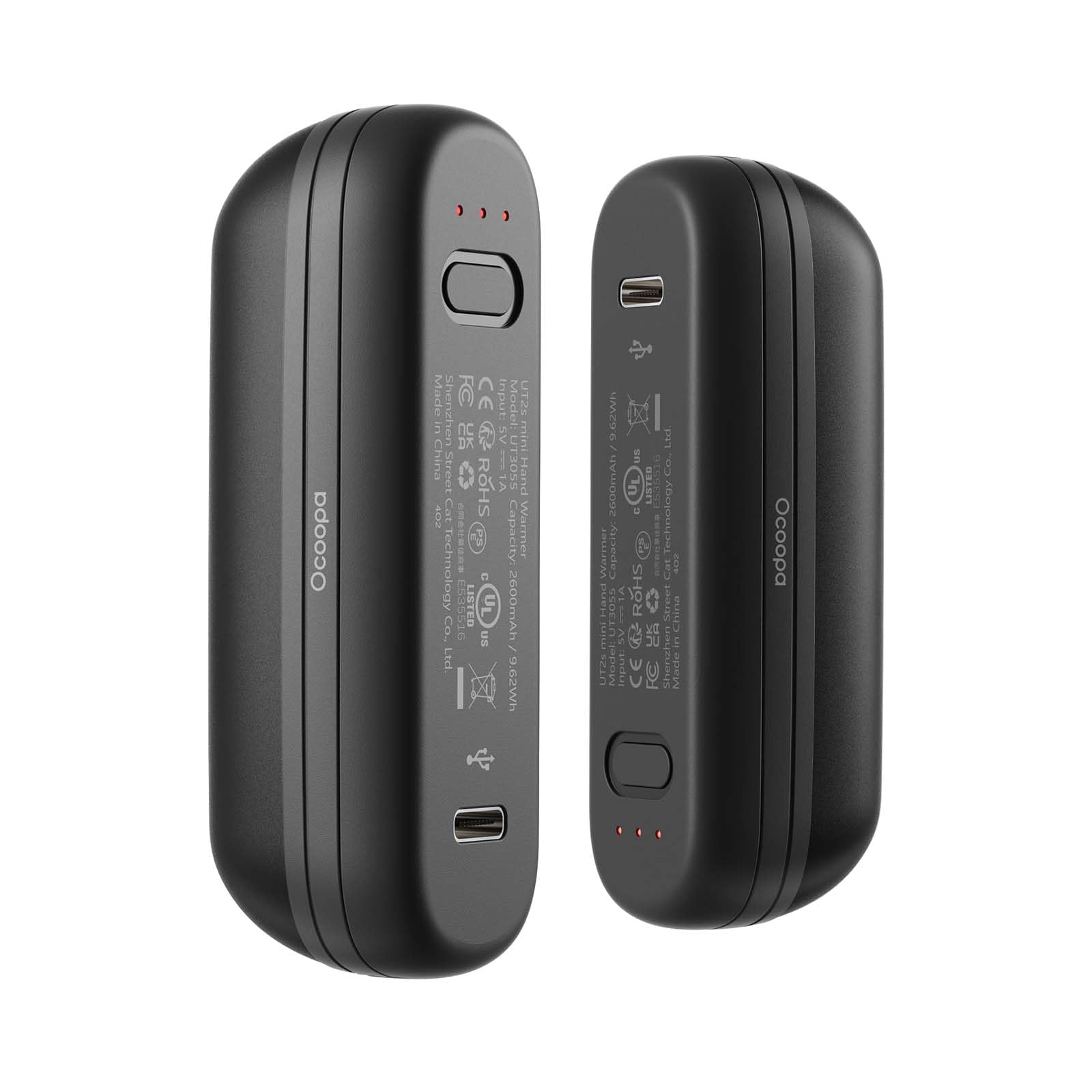
- The two hand warmers attach together magnetically or separate for carrying.
- They have 3 temperature settings.
- The package includes a split USB-C charging cable.
Best Gift For: Someone who camps or spends time outdoors in cold weather, or often has cold hands.
DARAN Portable Power Station, 89.6Wh
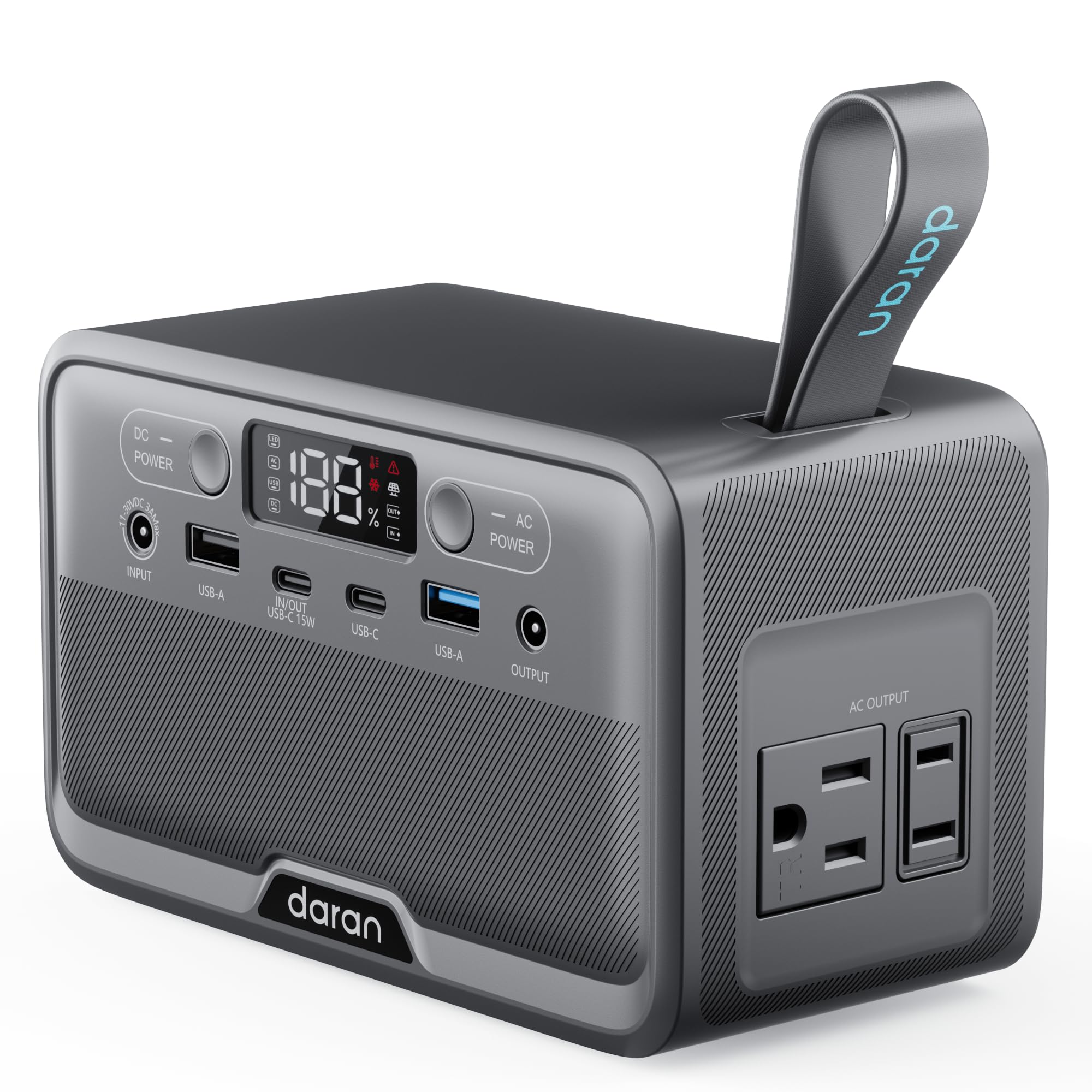
- It has a 89.6Wh LiFePO4 battery pack.
- It includes 7 output ports, including AC sockets, USB-C, USB-A, and DC ports.
- The built-in LED flashlight has steady and SOS modes.
Best Gift For: An off-grid resident or camper who wants portable power for compatible small devices.
Hazli Matrix AirCell Memory Foam Camping Mattress Pad
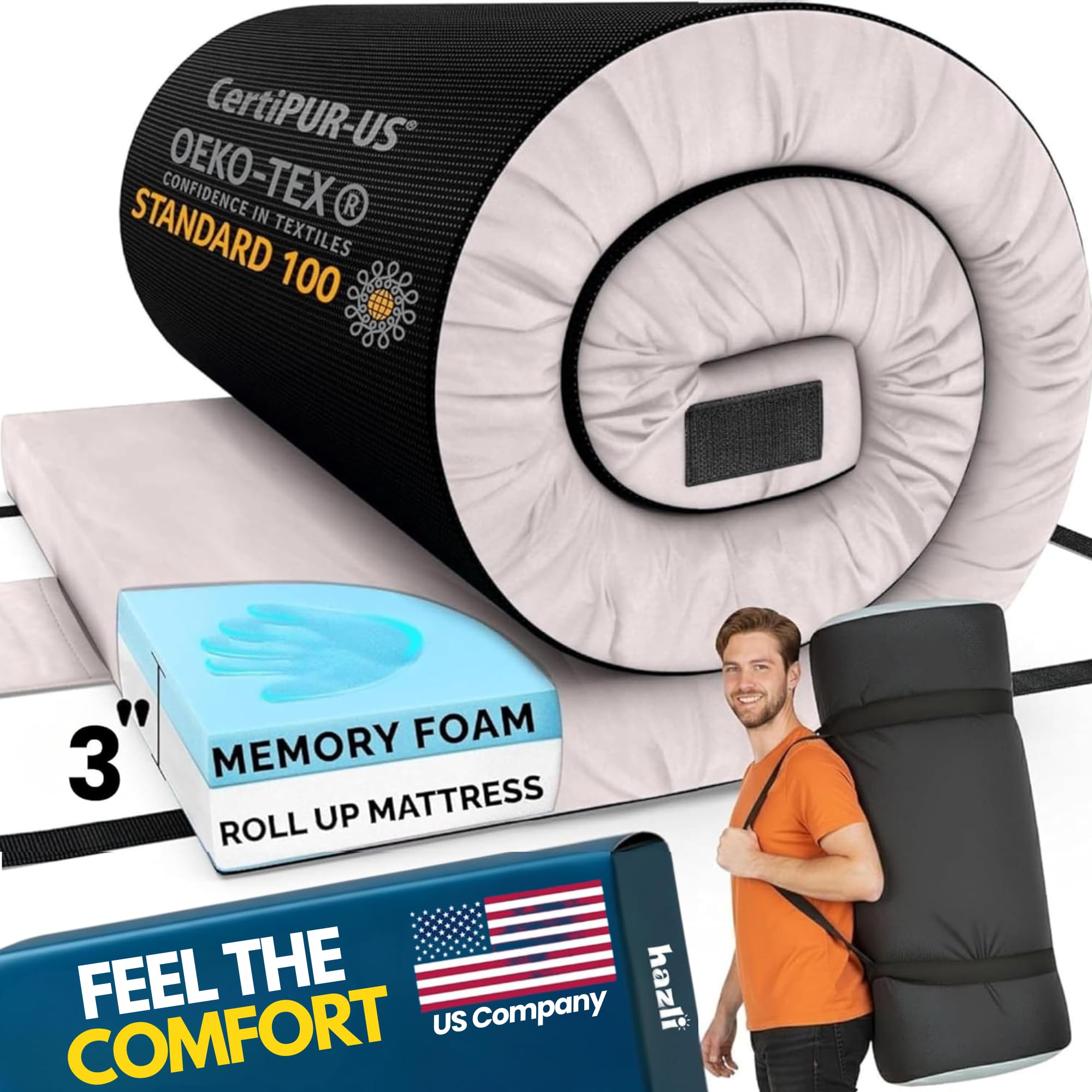
- It is ready to use without a pump.
- The removable waterproof cover can be washed.
- It can be used as a bed roll, portable mattress, or floor mattress.
Best Gift For: A camper or frequent road-tripper who wants a roll-up sleeping mat for a campsite, car, or guest room.
MISSION Original Cooling Towel
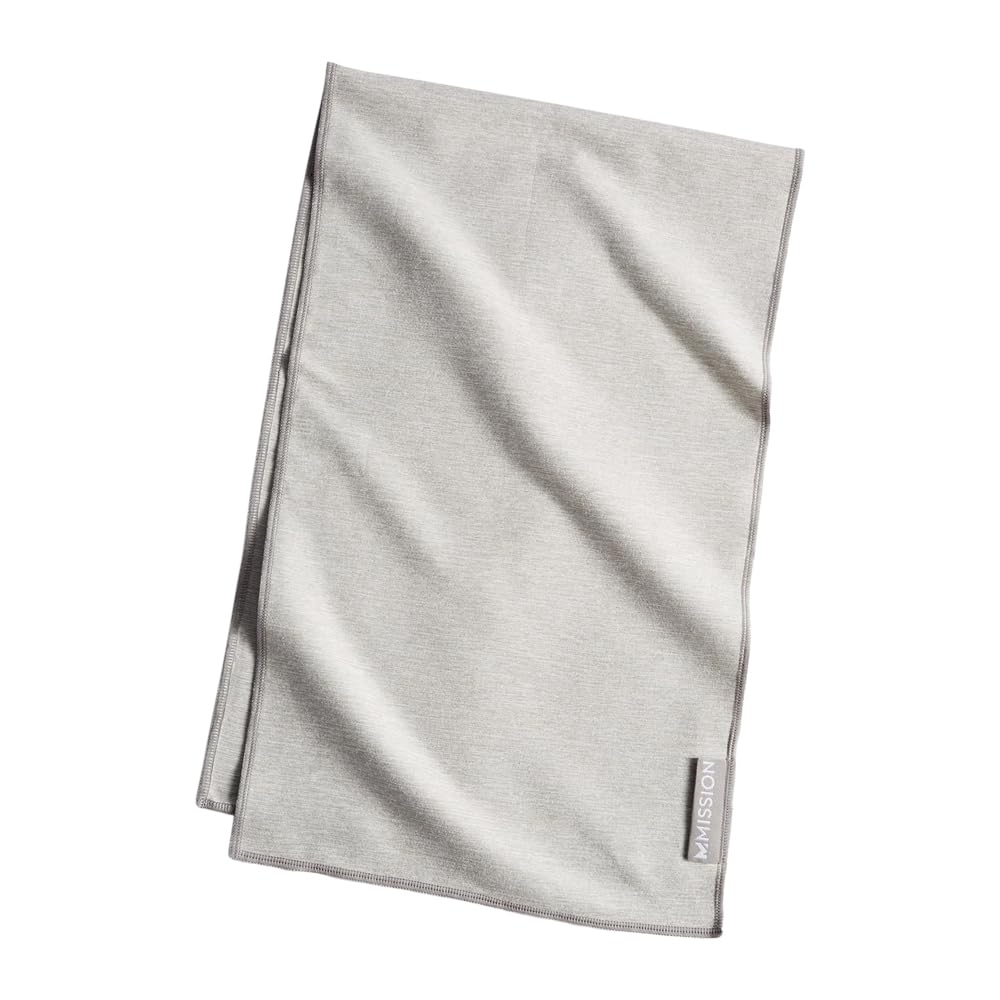
- It measures 10” x 33”.
- When activated with water, it cools in under 30 seconds.
- The reusable, machine-washable towel also provides UPF 50 sun protection.
Best Gift For: Someone who works outside, hikes, or wants a reusable towel for warm-weather activities.
VEVOR Folding Camping Kitchen Table
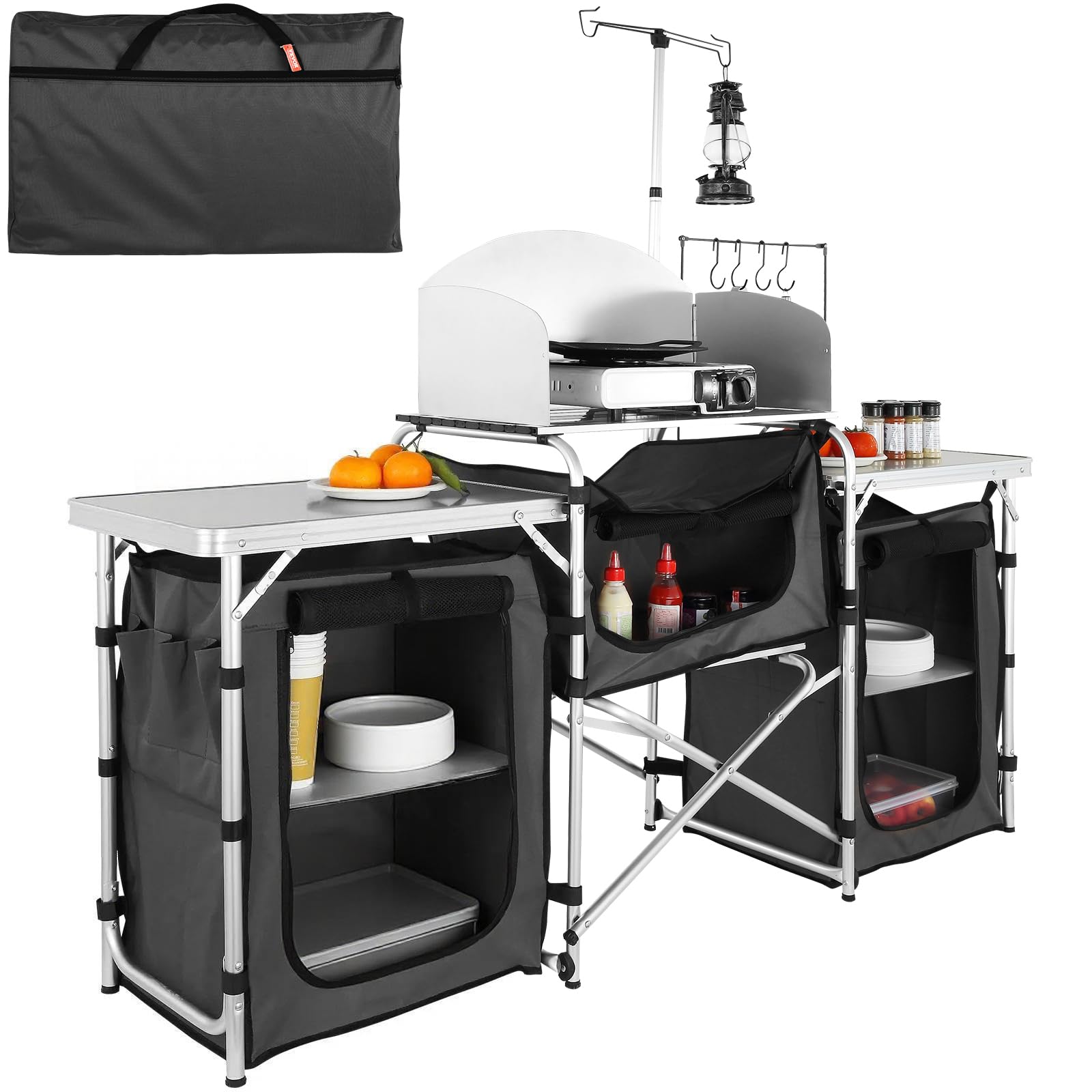
- The tabletop, zippered storage compartments, side table, and shelf provide places to organize supplies.
- The cook station can be unfolded and packed without tools.
- It packs into a single oxford cloth bag.
Best Gift For: Someone who cooks outdoors and wants a portable surface for organizing food and cookware.
OCOOPA Extra Large Camping Mat, S09

- The mat measures 10ft by 9.2ft.
- It comes with 4 ABS plastic stakes and reinforced anchor loops.
- The nylon mat is machine washable.
Best Gift For: Someone who wants a shared outdoor mat for camping, backyard gatherings, or beach trips.
GOOLOO GP3000 Jump Starter, 3000A
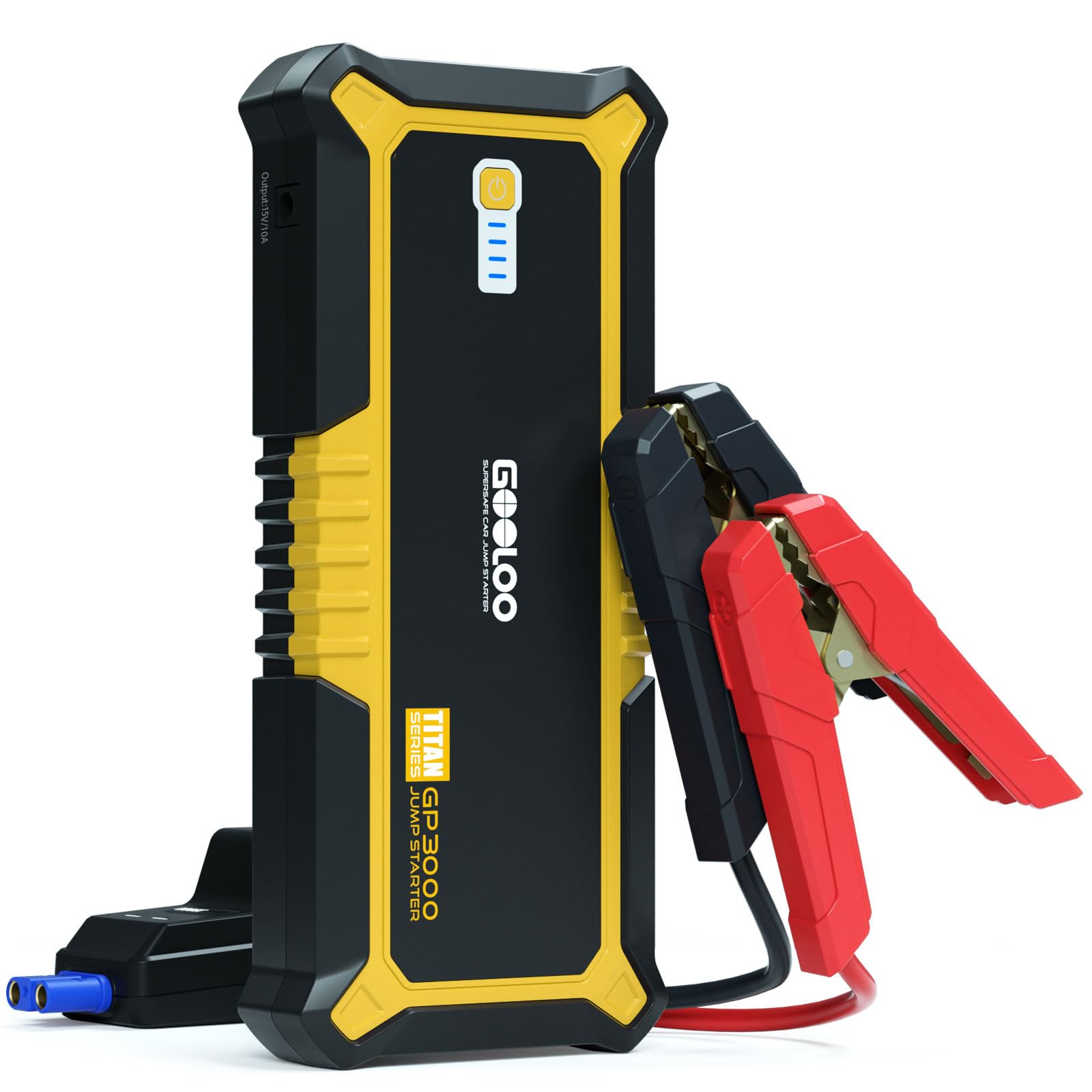
- It provides 3000 amps of peak cranking power for compatible 12-volt vehicles.
- It has 2 USB outputs for charging electronic devices.
- The built-in LED flashlight provides 400 lumens.
Best Gift For: An off-grid resident or road-tripper who wants a jump starter and emergency charging features for a vehicle.
Choosing gifts for people who live off grid under 100
When choosing gifts for people who live off grid under 100, start with the recipient’s routine. Someone who regularly camps may value a comfortable sleep setup, while a person managing chores after dark might appreciate hands-free light.
Think about what they do often, rather than what sounds impressive in a product title.
Consider where the item will be used and stored. A compact tool may suit a small cabin or packed vehicle; a larger shared item may be more useful for a household with room to keep it.
If you are unsure, ask what task has been inconvenient lately.
It also helps to distinguish everyday comfort from emergency readiness. Warmth, shade, and meal-prep space can make ordinary outdoor days easier.
Lighting, water-related gear, portable power, and vehicle equipment may support specific preparedness plans. Choose the category that fits the recipient’s actual habits.
Balance budget and usefulness
A budget is a starting point, not a measure of how useful a gift will be. A modest accessory can earn regular use, while a larger piece of equipment may be worthwhile when it solves a recurring problem.
Think about how often the recipient would use it and whether it fills a gap in their current setup.
For gifts for people who live off grid under 100, compare the full setup needed to use an item. Check whether a power accessory needs a separate panel or cable, whether a light’s charging method suits the recipient, and whether a sleeping item fits their vehicle or storage space.
Those details can affect the real value of a gift.
If the recipient already owns similar gear, look for a different role or setting instead of buying a duplicate. A shared outdoor mat, a hand warmer for cold outings, or a tool for roadside readiness might complement what they have.
When uncertain, a direct question about their current kit can prevent an awkward mismatch.
Personalize the gift with a practical note
A thoughtful note can connect a practical present to the person’s way of life. Mention a planned camping weekend, an outdoor project, or a routine that inspired the choice.
For gifts for people who live off grid under 100, personalization can come from showing that you noticed a real need, not from adding extra gear they may not use.
Presentation can stay simple and useful. Pack a compact item inside a small tote or storage pouch if you already have one, or add a handwritten card with a suggestion for when to use it.
For a larger item, a photo or note can stand in for elaborate wrapping and make the gift easy to identify.
If the present involves power, water, or vehicle equipment, include a reminder to read the current product instructions and check compatibility before use. Avoid guessing what connections or accessories the recipient already has.
A brief, considerate note leaves room for them to fit the gift into their own system.
Last-minute buying checks
A quick final review can save time and avoid a gift that does not fit. Check the current product details, dimensions, compatibility, included components, and estimated delivery date before placing an order.
These details can change, and a familiar product name alone may not answer what the recipient needs to know.
For gifts that connect to existing equipment, verify the recipient’s setup when possible. A charging port, vehicle type, storage space, or preferred way of carrying gear can matter more than a broad category match.
If you cannot confirm those details, choose something less dependent on compatibility.
When timing is tight, consider a simple card explaining the intended use if the physical gift arrives later than expected. Keep expectations realistic and check the delivery estimate at checkout.
A clear note paired with a useful item can still feel thoughtful, even when the shopping happens close to the occasion.
Match the gift to their setup
Before settling on a choice, picture the recipient using it in a specific place: at a campsite, near a vehicle, around a small outdoor kitchen, or during a night task. That mental check can reveal whether portability, shared use, or a particular kind of comfort matters most.
Ask whether the recipient prefers fewer items with several functions or dedicated gear for one task. Someone who values a tidy kit may favor easy storage; someone who spends long stretches outdoors may appreciate comfort or practical support for a regular activity.
Their preferences should guide the final pick.
A gift can also be a starting point for a conversation about future plans. Pair it with an invitation to share a meal outside, go on a road trip, or help with a project, if that suits your relationship.
Useful equipment feels more personal when it connects to time and experiences the recipient values.